Lifeline Emed Publications and the Global Academic Research Institute (GARI) are internationally recognized organizations dedicated to advancing scientific innovation, academic excellence, healthcare improvement, and global professional development. Both organizations operate and manage multiple international branches, ensuring strong global accessibility and high-quality service delivery.
Lifeline Multispeciality Community Clinic & Hospital provides accessible, prevention-focused healthcare supported by essential multispeciality services. We combine public health programs, screenings, education, and community outreach with clinical care to improve overall population health. Our goal is to build a healthier community by ensuring every individual receives timely, ethical, and affordable care.
Internal Medicine | Pediatrics | OB/GYN | Dermatology (Community) | Mental Health & Counseling | Cardiology (Preventive) | Endocrinology (Diabetes & Thyroid) | Pulmonary Care (Asthma & Respiratory Health) | Gastroenterology (Digestive Health) | Orthopedics (Basic/Community)
Laboratory testing | ECG/EKG | Ultrasound or X-ray (if available) | On-site/partnered pharmacy services
Prevention first | Community-centered care | Culturally sensitive services | Affordable and accessible programs | Evidence-based public health practice
We aim to reduce health disparities, promote well-being, and ensure preventive care reaches every household. Our team works to support healthier lifestyles, early diagnosis, and long-term community wellness. We are dedicated to providing respectful, patient-focused care rooted in public health values.
Lifeline International Community Foundation is a global, community-focused organization dedicated to grants, proposal development, and research-based project support. We collaborate with nonprofits, healthcare organizations, educational institutions, community groups, and international programs to design well-structured proposals that reflect real community needs and meet funder expectations.
To strengthen community initiatives and global programs by providing high-quality, evidence-based grant preparation and research-informed project design that leads to measurable and sustainable impact.
The foundation prepares complete, funder-aligned applications for:
This includes developing budgets, narratives, abstracts, timelines, evaluation designs, and community needs documentation when required.
Lifeline International Community Foundation works across a broad spectrum of grant categories, including:
01. Education & Training
School programs, learning support, literacy | Youth learning initiatives | Workforce development and professional training | Community education and awareness programs
02. Women, Girls & Gender Equality
Women empowerment | Programs addressing domestic violence | Girls’ education | Maternal health and gender-focused health initiatives
03. Healthcare & Public Health
Community health improvement | Mental health and wellness | Maternal & child health | Screening, prevention, and outreach projects | Hospital and clinic-based initiatives
04. Research & Innovation
Public health research | Clinical and applied research | Pilot programs | Data and evaluation projects
05. Social Services & Community Development
Housing, homelessness, and shelter programs | Food security and nutrition support | Immigrant, refugee, and newcomer programs | Senior and disability support services
06. Youth Development
Mentorship and leadership initiatives | STEM and academic enrichment | Sports, recreation, and youth engagement programs
07. Environmental & Sustainability Projects
Climate resilience | Environmental health | Water, sanitation, and hygiene (WASH) initiatives | Community sustainability efforts
08. International Development & Humanitarian Aid
Disaster relief | Refugee support | Global health programs | Cross-country education and training initiatives
09. Arts, Culture & Community Engagement
Cultural preservation | Arts education | Community arts projects | Cultural festivals and engagement programs
Improves the community well-being, development, health, or education through Lifeline International Community Foundation.
The foundation assists with strengthening proposals through:
This ensures each proposal is grounded in accurate data and aligned with funder requirements.
Lifeline International Community Foundation is committed to preparing proposals that uphold clarity, integrity, and professionalism. Every project is approached with a focus on community benefit, sustainability, and measurable impact.
Lifeline Clinical & Research Training Institute provides structured, hands-on training in essential clinical skills, foundational prescribing knowledge, and practical research techniques. Our programs offer supervised, safe, and high-quality learning experiences through collaborations with partnered clinical facilities, in accordance with formal affiliation agreements. Upon successful completion of the program, all participants will receive certification as trained professionals in their respective modules.
Mission To deliver accurate, ethical, and high-quality clinical and research training through practical instruction, supervised exposure, and professional standards.
01. Clinical Skills Training
Participants receive hands-on instruction in:
Measuring and interpreting vital signs | Blood pressure | Temperature | Heart rate | Respiratory rate | Pulse oximetry | Basic assessment and documentation | Safe use of PPE and infection control practices | Understanding patient communication and confidentiality | HIPAA compliance and privacy protection | Observational exposure to clinical workflows (as permitted)
This training focuses on accuracy, technique, safety, and professional conduct.
02. Medication Prescribing Training (Educational)
This module introduces participants to the principles and processes used in clinical prescribing. Training includes:
Understanding medication categories | Indications, contraindications & side-effect profiles | Reviewing patient information before medication decisions | Writing and interpreting sample prescriptions (simulation-based) | Safe prescribing concepts | Avoiding common medication errors | Legal foundations & documentation requirements | Scope-of-practice boundaries | Understanding how prescribing decisions are made in clinical settings
All prescribing instruction is simulation-based, supervised, and aligned with safety and legal standards.
03. Hands-On Research Training
Participants learn essential research methodologies through:
Basic research design | Data collection techniques | Study instruments and assessment tools | Public health and clinical research procedures | Literature review fundamentals | Ethical and responsible research practices | Documentation and report preparation | Introduction to IRB principles | Exposure to research activities within partnered facilities (as permitted)
This module emphasizes precision, ethics, professionalism, and real-world research processes.
04. Training through Clinical Partnerships
Through formal collaboration with healthcare facilities, participants receive:
Supervised observational clinical exposure | Orientation to facility protocols and confidentiality requirements | HIPAA and safety training | Instruction on blood-borne pathogens | Access to designated classroom, conference, or training spaces | Evaluation and feedback from clinical staff and institute faculty | Exposure to clinical and research environments that support structured learning
These partnerships ensure training follows facility policies and professional standards.
05. Participant Requirements
Before Training - Participants must:
Complete required pre-training instruction | Submit medical clearances if required by clinical partners | Undergo background checks when mandated | Attend mandatory safety and orientation sessions | Sign confidentiality and HIPAA agreements
During Training - Participants are expected to:
Follow all policies of the training facility | Maintain professionalism at all times | Protect patient confidentiality | Participate fully and respectfully | Follow instructions from faculty and clinical staff | Maintain safety and ethical standards
06. Our Standards
Lifeline Clinical & Research Training Institute ensures
High-quality instruction | Safe, ethical, and supportive learning environments | Training aligned with facility policies and healthcare standards | Regular program reviews and updates | Non-discrimination consistent with regulatory expectations
Why Choose Lifeline Clinical & Research Training Institute?
CEO, Board of Directors
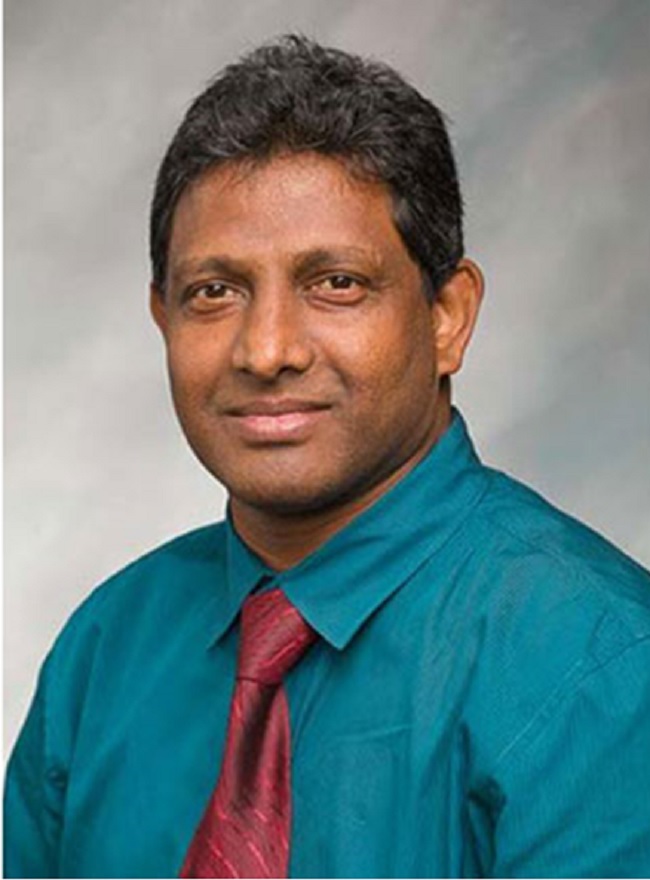
Lifeline Emed Companies Pvt. Ltd | Lifeline Emed Publications | Lifeline Clinical & Research Training Institute | Lifeline International Community Foundation | Chairperson | Global Academic Research Institute, USA
Managing Director
Entrepreneur | Editor-in-Chief | Chairperson | Global Academic Research Institute | Lifeline Emed Companies Pvt. Ltd | Lifeline Emed Publications | Lifeline Clinical & Research Training Institute | Lifeline International Community Foundation, Portugal
Chairperson
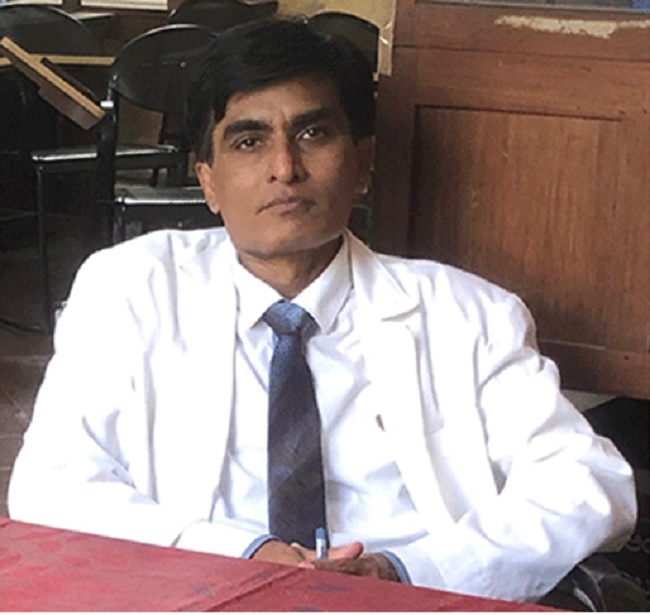
Professor & IHIP Nodal Officer HOD, Department of Community Medicine, Mysore Medical College and Research Institute, India
Keynote Speaker
MD / PhD Candidate, New York Medical College, Affiliated with Westchester Medical Hospital, USA
Lifeline Emed Publications
Head Office: Community Center, Jersey City, New Jersey, NY, USA
Office Europe: Rua Do Amorim, No 36, 1 Andar, Ponta Delgada, Portugal
E-mail: emedpublications@research.lk | helpdesk@gariteam.com
WhatsApp & Mobile: +1 917 885 0704 | +351 915 618 544